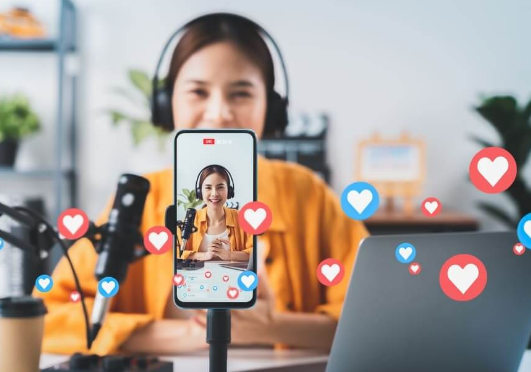
Technology is reshaping influencer marketing in profound ways. The emergence of micro-influencers is altering brand strategies, allowing for targeted outreach to niche demographics. Artificial intelligence streamlines this process, identifying influencers who align with specific audiences. Meanwhile, data analytics offers insights into campaign effectiveness, enabling brands to refine their approaches. As these advancements evolve, the dynamics of influencer collaboration and authenticity are likely to shift further, prompting a reevaluation of traditional marketing paradigms.
The Rise of Micro-Influencers and Niche Markets
In recent years, a significant shift has occurred in the influencer marketing landscape, marked by the emergence of micro-influencers who cater to niche markets.
These individuals leverage targeted micro influencer strategies to foster authentic niche audience engagement.
Leveraging Artificial Intelligence for Targeted Campaigns
Harnessing the capabilities of artificial intelligence has revolutionized how brands approach influencer marketing campaigns.
By utilizing advanced AI algorithms, companies can execute targeted outreach more effectively, identifying influencers who resonate with specific demographics.
This strategic alignment not only enhances engagement but also maximizes return on investment, allowing brands to forge authentic connections while empowering influencers to express their unique creative freedom.
Read Also: Avoid Qy-45y3-Q8w32 Model
Data Analytics: Measuring Impact and Performance
Effective influencer marketing relies not only on identifying the right voices but also on evaluating the outcomes of these partnerships.
Data analytics plays a crucial role in this process, providing performance metrics that reveal engagement levels and conversion rates.
The Future of Influencer Collaboration and Authenticity
As brands navigate the evolving landscape of influencer marketing, the emphasis on authenticity emerges as a pivotal element for future collaborations.
Addressing authenticity challenges, brands must develop innovative collaboration strategies that resonate with audience values.
By fostering genuine connections between influencers and followers, brands can enhance trust, ensuring sustainable partnerships that thrive in an increasingly skeptical market.
Ultimately, this approach redefines the influencer marketing paradigm.
Conclusion
In conclusion, while some may argue that technology risks commodifying influencer relationships, it actually fosters deeper connections by prioritizing authenticity and relevance. By utilizing advanced tools like AI and data analytics, brands can engage with micro-influencers who genuinely resonate with their target audiences. This strategic approach not only enhances campaign effectiveness but also cultivates brand loyalty, ensuring that influencer marketing evolves into a more meaningful and impactful practice in the digital landscape.