Technology is fundamentally altering retail experiences by integrating advanced tools such as artificial intelligence and augmented reality. These innovations enhance customer engagement and streamline transactions, creating a more personalized shopping environment. Retailers now rely on data analytics to tailor their offerings, shifting the focus toward consumer preferences. As these trends evolve, the implications for both businesses and consumers become increasingly complex, prompting a need to explore the underlying dynamics at play.
The Rise of Artificial Intelligence in Retail
The integration of artificial intelligence (AI) into retail has emerged as a transformative force, reshaping how businesses engage with consumers.
AI chatbots enhance customer service by providing instant responses, while predictive analytics empower retailers to anticipate consumer behavior and optimize inventory management.
Together, these technologies foster a more personalized shopping experience, ultimately granting consumers greater freedom in their purchasing decisions and interactions.
Enhancing Customer Engagement With Augmented Reality
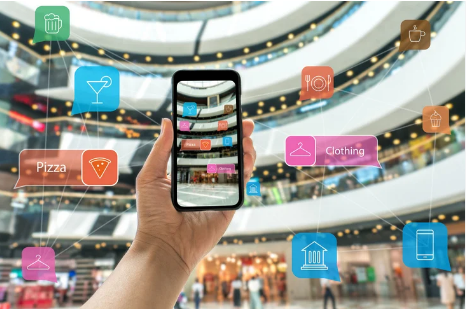
Augmented reality (AR) is revolutionizing customer engagement in the retail sector by creating immersive and interactive shopping experiences.
Through innovations like virtual fitting, customers can visualize products in real-time, enhancing their decision-making process.
This technology fosters deeper connections between brands and consumers, allowing for personalized interactions that cater to individual preferences, ultimately transforming the retail landscape into a more engaging and liberated environment.
Read also: Avoid Qy-45y3-Q8w32 Model
Seamless Transactions Through Mobile Payment Solutions
As consumers increasingly seek convenience and efficiency in their shopping experiences, mobile payment solutions are emerging as a pivotal element in the retail landscape.
Contactless payments and digital wallets facilitate swift transactions, allowing customers to complete purchases with minimal friction.
This evolution not only enhances the shopping experience but also aligns with the growing demand for secure, accessible, and innovative payment methods in today’s fast-paced environment.
Personalization and Data Analytics in Shopping Experiences
While consumers increasingly prioritize personalized shopping experiences, retailers are leveraging data analytics to meet these expectations effectively.
By employing behavior tracking, retailers can decipher customer preferences with precision, tailoring offerings to individual tastes.
This strategic use of data not only enhances customer satisfaction but also fosters loyalty, enabling retailers to create a more engaging and relevant shopping environment that resonates with the desires of modern consumers.
Conclusion
In conclusion, the integration of technology in retail not only transforms customer interactions but also drives significant business outcomes. For instance, a study by McKinsey reveals that personalized shopping experiences can lead to a 10-30% increase in revenue. This statistic underscores the critical importance of leveraging AI, augmented reality, and data analytics, as retailers who embrace these innovations are better positioned to meet consumer expectations and foster lasting loyalty in an ever-evolving marketplace.