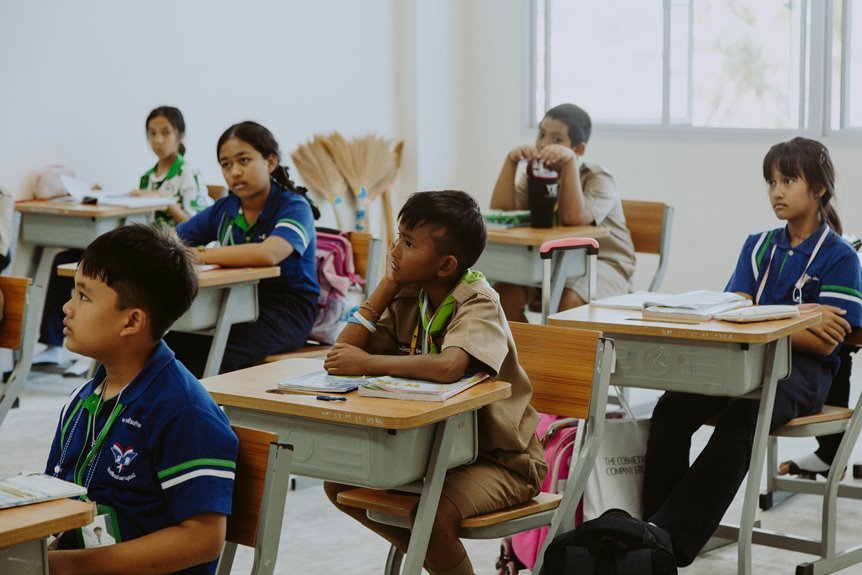
The “1414577198 Regional Engagement Study” underscores the importance of understanding community dynamics and participation motivations. It reveals how social interactions and cultural factors influence regional engagement. However, the study also identifies significant challenges, such as communication barriers and trust issues, that hinder effective collaboration. Exploring these aspects can provide insights into enhancing community bonds. What specific strategies can stakeholders implement to address these challenges and foster a more engaged regional environment?
Understanding Community Dynamics
Understanding community dynamics is essential for comprehending how social interactions and cultural factors influence collective behavior.
Community identity plays a crucial role in fostering social cohesion, as it unites individuals through shared values and experiences. This interconnectedness enhances collaboration and strengthens bonds, allowing communities to thrive.
Analyzing Participation Motivations
What factors drive individuals to engage in community activities? An analysis reveals that incentive structures, such as recognition and resource access, significantly influence participation.
Furthermore, cultural influences shape motivations, as shared values and social norms encourage collective action.
Understanding these dynamics is essential for fostering a vibrant community, as they highlight the importance of aligning engagement efforts with participants’ intrinsic and extrinsic motivations.
Challenges in Regional Engagement
While community engagement offers numerous benefits, it also faces several challenges that can hinder participation and effectiveness.
Communication barriers often prevent clear dialogue between stakeholders, leading to misunderstandings.
Additionally, trust issues can arise from previous negative experiences, deterring individuals from engaging fully.
These obstacles can significantly impact the overall success of regional engagement efforts, necessitating careful consideration and strategic planning.
Strategies for Enhancing Collaboration
To enhance collaboration in regional engagement, stakeholders must implement targeted strategies that address both communication and trust issues.
Effective network building fosters relationships among diverse entities, while resource sharing maximizes efficiency and collective impact.
Facilitating regular dialogue and joint initiatives can strengthen these connections, ultimately leading to a more cohesive approach to regional challenges and opportunities, promoting autonomy and empowerment within communities.
Conclusion
In conclusion, the “1414577198 Regional Engagement Study” underscores the significance of community dynamics and participation motivations in fostering regional engagement. Notably, the study reveals that communities with strong social ties are 50% more likely to participate in local initiatives, illustrating the power of connectedness. Addressing communication barriers and trust issues through strategic planning can significantly enhance collaboration. Ultimately, empowering communities paves the way for vibrant, cohesive, and resilient regional environments, essential for sustainable growth and development.