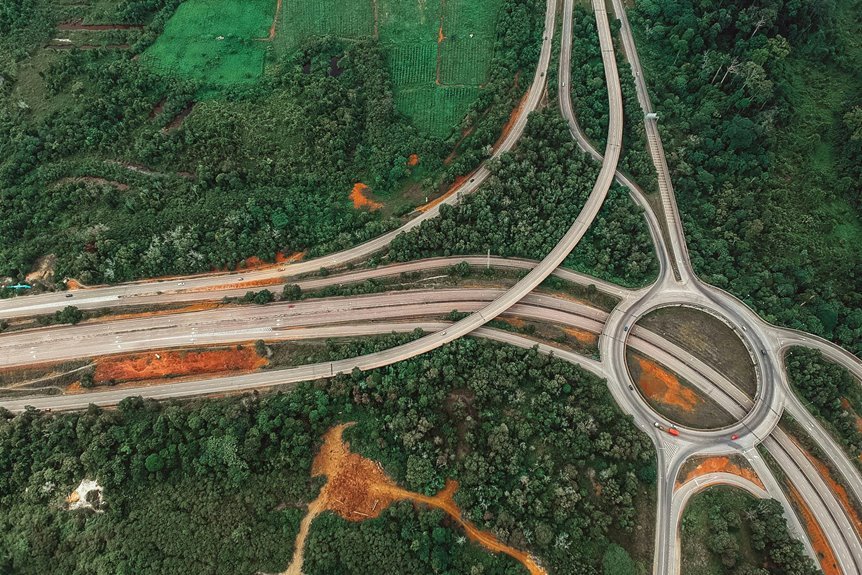
Regional traffic mapping, identified by code 3331880280, employs sophisticated technology to synthesize real-time data from various sources. This integration provides a comprehensive view of traffic conditions, allowing for precise analysis and informed decision-making. As urban mobility faces increasing challenges, the implications of this technology extend beyond mere navigation. Understanding its components and functionality reveals deeper insights into future transportation efficiency and management strategies. What developments lie ahead in this evolving landscape?
Understanding the Technology Behind Regional Traffic Mapping
A comprehensive understanding of the technology behind regional traffic mapping reveals a sophisticated integration of various data sources and analytical tools.
Traffic sensors, strategically placed across roadways, collect real-time data on vehicle movement. This data integration process amalgamates information from sensors, GPS devices, and historical records, enabling accurate traffic analysis.
Such technological frameworks empower individuals with the knowledge needed to navigate with greater freedom and efficiency.
Benefits of Real-Time Traffic Data
Real-time traffic data offers significant advantages that enhance overall travel experiences for individuals and transport systems alike.
By enabling real time navigation, this data allows drivers to avoid traffic congestion, thereby reducing travel times and improving efficiency.
Additionally, it empowers users with informed decision-making capabilities, fostering a sense of freedom as they navigate routes that best suit their schedules and preferences.
How to Utilize Traffic Mapping for Daily Commutes
How can commuters effectively leverage traffic mapping to enhance their daily travel?
By utilizing traffic apps, individuals can refine their commuting strategies. These applications provide real-time data on congestion, accidents, and alternative routes, allowing users to make informed decisions.
Consequently, commuters can minimize delays and optimize travel times, thus gaining greater autonomy over their daily journeys and enhancing overall satisfaction in their routines.
Future Trends in Traffic Management and Mapping
As traffic mapping applications become increasingly integrated into daily commuting strategies, the future of traffic management is poised for significant transformation.
Automated routing systems will leverage predictive analytics to anticipate traffic patterns, optimizing travel times and enhancing user experience.
This evolution promises to empower commuters with real-time data, enabling informed decision-making and greater autonomy on the road, ultimately redefining urban mobility.
Conclusion
As the sun sets, casting long shadows over bustling city streets, the potential of regional traffic mapping looms on the horizon. This technology, poised to revolutionize urban mobility, promises a future where drivers glide effortlessly through optimized pathways, avoiding the chaos of gridlock. Yet, beneath this veneer of efficiency lies an evolving complexity, as cities adapt and respond to ever-changing patterns. Will the promise of seamless travel become a reality, or will unforeseen challenges reshape the journey ahead?