Japanese minimalist fashion has become a global reference point for elegance, functionality, and thoughtful design. Far beyond mere aesthetics, it represents a lifestyle that values simplicity, sustainability, and purposeful living. Unlike transient fashion trends, minimalist clothing emphasizes quality, clean lines, and timeless style. For individuals who wish to curate a wardrobe that is both sophisticated and versatile, Japanese minimalist fashion offers a blueprint that merges aesthetics with practicality.
The Philosophy Behind Japanese Minimalism
At its core, Japanese minimalist fashion is rooted in the idea of “less is more.” Every element of a garment is intentional, from the fabric to the cut, ensuring that each piece serves a functional and aesthetic purpose. Minimalism in Japan is not just a design choice. it is a reflection of a lifestyle that prioritizes mindfulness, sustainability, and quality over quantity.
This philosophy extends beyond clothing. It is about creating a curated environment, reducing unnecessary clutter, and making conscious choices in consumption. In fashion, this translates into investing in garments that last longer, are versatile, and can be styled in multiple ways.
The Appeal of Japanese Minimalist Fashion
There are several reasons why Japanese minimalist fashion resonates with modern consumers:
- Timeless Elegance: Minimalist clothing avoids the pitfalls of fast fashion, remaining stylish year after year.
- Versatility: Neutral colors, clean silhouettes, and simple patterns allow for effortless mixing and matching.
- Sustainability: Prioritizing quality over quantity reduces waste and promotes mindful consumption.
- Practicality: Each piece is designed to be functional, comfortable, and suitable for various occasions.
By embracing these principles, wearers can create a wardrobe that is not only aesthetically pleasing but also environmentally and economically responsible.
Key Elements of Japanese Minimalist Clothing
Japanese minimalist fashion is characterized by several distinctive features:
- Neutral Color Palette: Whites, blacks, grays, and earthy tones dominate, allowing pieces to coordinate seamlessly.
- Clean Lines and Simple Cuts: Minimalist garments avoid unnecessary embellishments or decorative elements.
- High-Quality Fabrics: Cotton, linen, wool, and silk are often used to ensure longevity and comfort.
- Functional Design: Clothing is designed for ease of wear, adaptability, and comfort in everyday life.
- Layering Capabilities: Minimalist pieces can be layered effectively, adding depth without clutter.
This attention to detail ensures that Japanese minimalist fashion embodies both practicality and beauty.
See also: Why More Homeowners Are Switching to Recurring House Cleaning and Pest Control Services
How UJNG UK Embodies Minimalism
UJNG UK has taken Japanese minimalist fashion principles and translated them into contemporary wardrobe staples. Their Japanese minimalist fashion collection offers garments that combine modern design with traditional minimalist aesthetics. The result is a collection that appeals to both fashion-forward individuals and those seeking timeless wardrobe essentials.
The brand emphasizes:
- Thoughtful Design: Every piece is carefully crafted to balance function and form.
- High-Quality Materials: Premium fabrics ensure durability and comfort.
- Versatile Styling: Each garment can be worn in multiple contexts, from casual to professional settings.
- Sustainability: By promoting timeless pieces, UJNG encourages mindful consumption and reduces the need for constant replacement.
This approach demonstrates how minimalism can be both stylish and responsible.
Styling Tips for Japanese Minimalist Fashion
To fully embrace Japanese minimalist fashion, consider these styling tips:
1. Focus on Neutrals
Start with neutral colors as a base. Whites, blacks, grays, and muted earth tones create a versatile foundation. Neutral palettes also make it easier to mix and match items for multiple outfits.
2. Prioritize Quality Over Quantity
Invest in fewer, higher-quality pieces. A well-made shirt, coat, or pair of trousers can replace several lower-quality alternatives while offering superior comfort and longevity.
3. Layer Thoughtfully
Layering is central to minimalist fashion. Combine simple tops with structured outerwear or textured layers to create depth and visual interest without overwhelming the outfit.
4. Keep Accessories Minimal
Choose accessories that complement rather than dominate. Understated belts, watches, and footwear help maintain the clean, sophisticated aesthetic.
5. Mix Textures
Even in a minimalist wardrobe, textures can add dimension. Pair smooth fabrics with slightly rougher or structured materials to create subtle contrasts.
Benefits of Adopting Japanese Minimalist Fashion
Embracing Japanese minimalist fashion offers several advantages:
- Simplicity: Streamlined wardrobes reduce decision fatigue.
- Elegance: Minimalist pieces create a polished, timeless look.
- Sustainability: Fewer but better-quality garments reduce environmental impact.
- Adaptability: Minimalist clothing works across seasons and occasions.
- Confidence: Wearing well-fitted, clean designs enhances personal presence and poise.
These benefits extend beyond fashion, fostering a lifestyle of mindfulness and intentionality.
How to Build a Minimalist Wardrobe with UJNG
Building a minimalist wardrobe with UJNG UK is straightforward:
- Select Core Pieces: Focus on versatile essentials such as neutral shirts, tailored trousers, and structured outerwear.
- Incorporate Statement Items Sparingly: Use one or two standout pieces to add interest without cluttering the overall look.
- Prioritize Fit: Ensure that each garment fits well to maintain a refined and polished appearance.
- Think Seasonally: Layer items appropriately to create comfort and style throughout the year.
- Maintain Your Pieces: Proper care, such as gentle washing and careful storage, ensures longevity and preserves aesthetic appeal.
By following these steps, you can create a wardrobe that is practical, stylish, and aligned with minimalist philosophy.
Minimalism and Modern Lifestyle
Japanese minimalist fashion aligns naturally with contemporary lifestyle needs. In a world of fast fashion, overconsumption, and fleeting trends, minimalist clothing offers clarity and purpose. It promotes intentionality in consumption, encouraging people to invest in pieces that serve multiple purposes and last longer.
Minimalist fashion also encourages versatility. A simple blazer, for instance, can work in a professional meeting, a casual outing, or a layered winter outfit. This adaptability reduces the need for excessive clothing purchases while maintaining a polished appearance.
Integrating Japanese Minimalism with Personal Style
While minimalist fashion emphasizes simplicity, it does not eliminate individuality. Here are ways to integrate personal style while maintaining a minimalist approach:
- Subtle Patterns: Small stripes or muted prints can add personality without overwhelming minimalism.
- Textural Variety: Combining smooth fabrics with tactile ones like wool or linen creates depth.
- Signature Accessories: A unique watch or belt can become a defining detail within a minimalist ensemble.
- Color Accents: Minimalist palettes can be complemented with occasional muted color pops to reflect individuality.
By carefully blending these elements, minimalist wardrobes become expressive while staying elegant and understated.
Minimalism and Sustainability
One of the most compelling aspects of Japanese minimalist fashion is its alignment with sustainability. By investing in fewer, higher-quality items, individuals reduce waste, decrease demand for fast fashion, and promote longevity in clothing use. Brands like UJNG UK support this philosophy by providing durable, versatile, and ethically crafted pieces.
This approach transforms fashion from a disposable commodity into a conscious lifestyle choice that values quality, durability, and responsible consumption.
Everyday Wardrobe Examples
To illustrate the power of Japanese minimalist fashion, here are some practical examples:
- Office Attire: Tailored trousers, neutral shirts, and a structured blazer create a professional and timeless look.
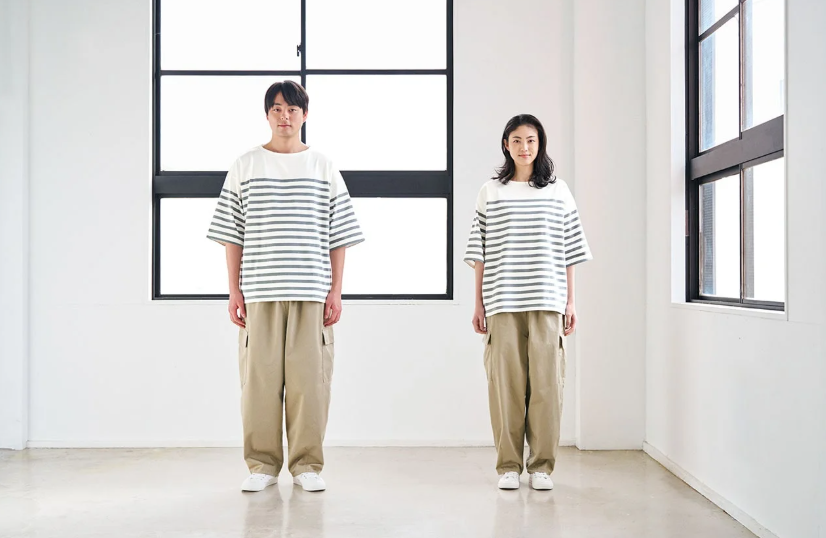
- Casual Outings: A simple tee paired with relaxed trousers and clean sneakers achieves effortless style.
- Layered Winter Look: Wool coat over a lightweight sweater and neutral trousers ensures warmth and elegance.
- Travel Wardrobe: Versatile, compact pieces that mix and match simplify packing while maintaining a polished appearance.
These examples show how minimalism allows a single wardrobe to cover multiple aspects of daily life.
Conclusion
The subtle power of Japanese minimalist fashion lies in its ability to combine elegance, functionality, and sustainability. It encourages intentionality in both clothing choices and lifestyle, promoting a wardrobe that is versatile, timeless, and environmentally conscious. UJNG UK’s Japanese minimalist fashion collection exemplifies these principles, offering carefully crafted pieces that reflect sophistication and purpose.
Adopting minimalist fashion enhances not just your wardrobe but your approach to style, consumption, and personal expression. By prioritizing quality, simplicity, and versatility, you can build a wardrobe that is as functional as it is refined, embodying the enduring allure of Japanese minimalism.