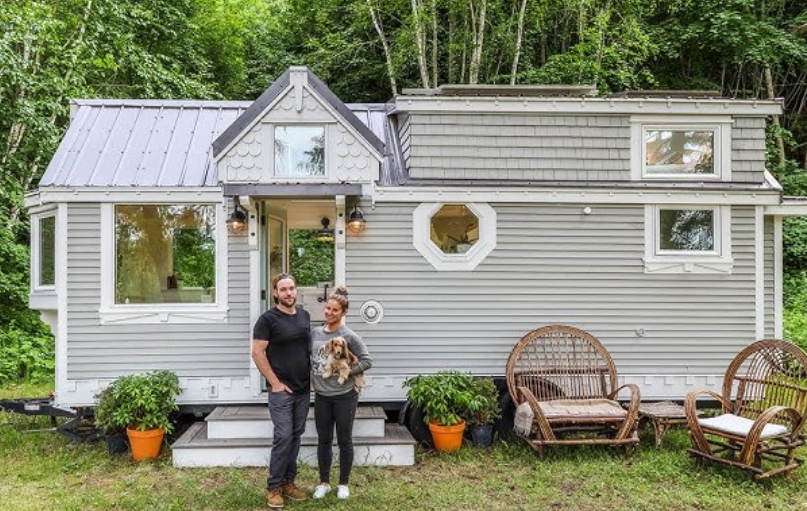
There’s an undeniable charm about tiny homes — compact, clever, and bursting with personality. For those dreaming of a simpler, more sustainable lifestyle (without sacrificing comfort or style), tiny house living is quickly moving from quirky niche to smart, mainstream choice. But where do you start when you want to build your own micro oasis? This guide explores what makes tiny homes so irresistible, how to choose the right builder, and the steps to planning your big move into small living. If you’re exploring options for your new space, the world of tiny house builders Sydney offers an inspiring glimpse into what’s possible.
Why Choose a Tiny Home?
Tiny homes are a creative solution to the challenges of modern living — limited space, high housing costs, and the growing desire for sustainability. For singles, couples, and families alike, they offer a way to live intentionally, reducing clutter and emphasizing freedom.
Benefits at a glance:
- Affordability: Smaller homes mean smaller mortgages (or none at all), freeing up funds for experiences and passions.
- Sustainability: A reduced footprint means less energy use, fewer materials, and a more eco-conscious lifestyle.
- Flexibility: Many tiny houses are mobile or modular, allowing you to relocate or adapt your living situation with ease.
- Lifestyle Shift: With less space to maintain, people often rediscover time for hobbies, creativity, and connection.
For those feeling weighed down by too much stuff or too many obligations, a tiny home offers an elegant path to a lighter, more fulfilling life.
Choosing the Right Tiny House Builder
Selecting a builder is one of the most critical decisions in your tiny home journey. It’s not just about construction skills — it’s about trust, collaboration, and shared vision.
Here’s what to look for when comparing tiny house builders sydney or anywhere else:
- Experience & Portfolio: Seek out builders with a diverse range of projects, strong testimonials, and transparent case studies. Their past work should align with your desired aesthetic and functionality.
- Licensing & Insurance: Ensure the builder is appropriately accredited and insured to protect your investment.
- Customization Options: Some offer pre-designed models, while others specialize in fully custom builds. Choose a path that matches your level of involvement and creativity.
- Transparency: Reliable builders communicate clearly about costs, timelines, and materials.
- Client-Centered Design: The best professionals listen carefully, adapting their approach to fit your lifestyle and goals.
You’re not just purchasing a home — you’re crafting the foundation of your next chapter. Choose a partner who understands that your space should reflect you.
Key Features of a Well-Designed Tiny Home
A great tiny home doesn’t feel restrictive — it feels liberating. The secret lies in clever design and thoughtful craftsmanship. Here are the hallmarks of a well-executed tiny house:
- Clever Storage: Hidden compartments, built-in furniture, and multi-use areas make every inch count.
- Natural Light: Generous windows and open layouts create a bright, airy feel that expands small spaces.
- Energy Efficiency: Insulation, double glazing, and solar options can dramatically lower energy use and costs.
- Multipurpose Design: Transformable furniture — like fold-out tables or convertible beds — maximizes functionality without clutter.
- Quality Materials: Sustainable, durable materials not only enhance beauty but also ensure longevity.
Before you start building, define your must-haves and nice-to-haves. Prioritizing these will make your design process smoother and more rewarding.
See also: Suspension Services in Mackay: A Comprehensive Guide
Planning and Budgeting for Your Tiny Home
Dreaming is free — but building takes planning. Tiny homes are more affordable than traditional houses, yet they still require thoughtful budgeting to avoid surprises.
Start with your priorities. Decide early which features are non-negotiable: solar panels, custom cabinetry, or off-grid systems. These decisions shape both your design and your budget.
Understand the full costs. Beyond materials and labor, consider:
- Land or parking space (if applicable)
- Utility connections or off-grid setup
- Delivery and site preparation
- Permitting or regulatory fees
Financing your build may also look different than traditional mortgages. Some lenders now cater to tiny home buyers, while others may require creative financing or personal loans. Exploring all your options early prevents delays later.
Legal and zoning considerations can vary widely. Always research regulations about placement, utilities, and dwellings to ensure compliance before you build.
Living the Tiny Dream
A tiny home is more than a structure — it’s a philosophy of intentional living. It challenges you to focus on what truly matters and let go of the rest. Whether you dream of a minimalist sanctuary, a mobile adventure base, or an eco-conscious retreat, the tiny house movement proves that less can indeed be more.
Downsizing doesn’t mean downgrading. With the right builder, smart design, and thoughtful planning, your compact space can offer freedom, flexibility, and financial peace of mind.
Ready to start your journey? Tiny homes may be small in size, but they’re built on big dreams — and that’s where the magic begins.